Why PET CT and MRI of Miami Specializes in Brain Imaging for Dementia
The importance of precision and compassion in advanced medical imaging
When memory lapses, confusion, or personality changes begin to surface, families often wonder: Is this normal aging, or could it be the early signs of dementia? Advanced medical imaging can provide crucial answers. At PET CT and MRI of Miami, we specialize in brain imaging for dementia because we know how critical early detection is for both patients and families.
Diagnosing dementia isn’t just about labeling symptoms—it’s about providing clarity, guiding treatment, and giving families the tools they need to plan ahead. PET scans, in particular, can reveal subtle changes in brain activity that may not appear on MRI or CT scans. Here’s why our center is trusted for detecting dementia in its earliest stages.
What Is Brain PET Imaging?
PET (Positron Emission Tomography) scans measure brain activity by tracking how cells use glucose, the brain’s main energy source. This matters because dementia and Alzheimer’s disease often cause reduced metabolic activity in specific brain regions.
A PET scan for dementia can:
- Detect early changes before significant brain damage occurs
- Differentiate dementia types (such as Alzheimer’s vs. frontotemporal dementia)
- Rule out other causes of memory problems
- Monitor disease progression over time
While MRI and CT scans show brain structure, PET scans reveal brain function, making them one of the most powerful tools for diagnosing cognitive decline.
Why Specialization Matters in Dementia Imaging
Dementia is complex, and not all memory issues are the same. Specialized imaging ensures that subtle differences are recognized. At PET CT and MRI of Miami, we provide several key advantages:
1. Advanced Imaging Technology
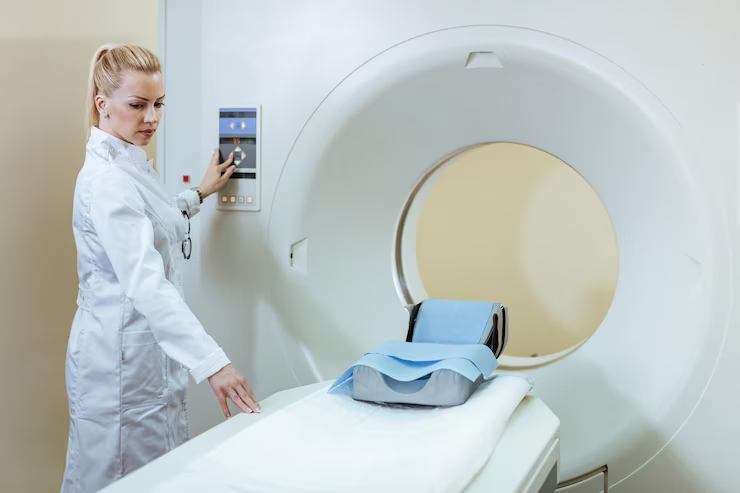
Our PET CT scanners are optimized to capture metabolic changes in the brain with remarkable accuracy. This allows us to detect dementia at earlier stages—before symptoms become severe.
2. Expert Neuroradiologists
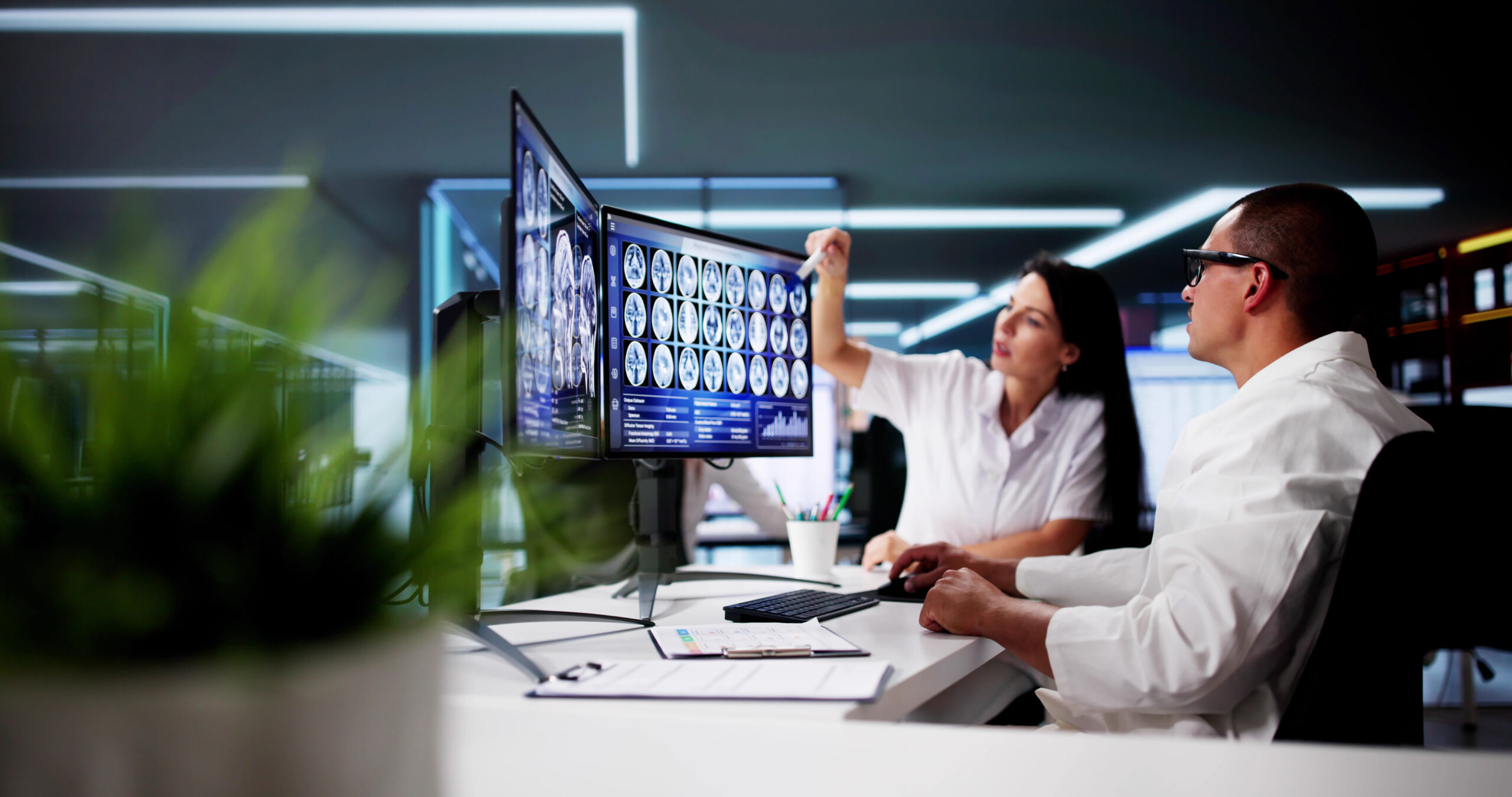
Our board-certified radiologists are trained in brain and neurological imaging. They know how to identify dementia-related changes while avoiding false positives from normal aging or unrelated conditions.
3. Patient-Centered Care
Getting a scan for suspected dementia can be emotional and overwhelming. Our staff takes time to explain every step, ensuring patients and families feel supported throughout the process.
4. Integration With Neurologists
We collaborate closely with neurologists, psychiatrists, and memory care specialists. This ensures PET scan results are interpreted in the right clinical context, guiding treatment and care planning.
5. Low Radiation, High Safety Standards
PET scans involve small amounts of radioactive tracer, but our protocols minimize exposure. We follow ALARA (As Low As Reasonably Achievable) principles to prioritize safety without sacrificing accuracy.
Common Reasons for a Dementia PET Scan
Patients are often referred for PET brain imaging when experiencing:
- Persistent memory loss beyond normal forgetfulness
- Difficulty with daily tasks (managing finances, cooking, driving)
- Personality or mood changes
- Trouble with speech, reading, or writing
- Confusion about time or place
- Difficulty recognizing familiar people
- Family history of Alzheimer’s or dementia
- Unexplained cognitive decline in younger patients
A PET scan helps clarify whether these symptoms are linked to dementia, another neurological condition, or normal aging.
Personalized Scanning Protocols
No two patients present the same way, and neither do their scans. That’s why we tailor each protocol based on:
- Age and medical history
- Current symptoms and severity
- Family history of neurological disease
- Specific clinical questions from the referring doctor
For example, imaging protocols differ for a patient with mild forgetfulness versus someone with rapidly progressing cognitive decline. This personalized approach ensures accuracy and relevance.
What Radiologists Look for in Dementia Scans
When evaluating PET scans for dementia, radiologists carefully analyze:
- Patterns of glucose uptake: Reduced activity in the temporal and parietal lobes often suggests Alzheimer’s.
- Brain region involvement: Different dementia types affect different brain regions. For instance, frontotemporal dementia typically shows reduced metabolism in the frontal lobes.
- Symmetry: Some changes are more prominent on one side of the brain.
- Comparison with normal aging: Distinguishing between healthy age-related changes and early disease is critical.
These details help determine whether symptoms are likely due to dementia and which type may be present.
Collaboration With Neurologists and Specialists
PET scans are only one piece of the puzzle. That’s why we work closely with neurologists, memory care clinics, and psychiatrists across South Florida. Our radiologists provide detailed reports and, when needed, direct consultation to ensure imaging results are seamlessly integrated into patient care.
Safety Is Our Top Priority
Patient safety is at the heart of everything we do. For dementia imaging, this means:
- Using the lowest tracer dose possible
- Avoiding unnecessary repeat scans
- Following strict national safety protocols
- Monitoring each patient closely before, during, and after the scan
Our goal is to provide maximum diagnostic clarity with minimal risk.
Why Families Trust Us
When faced with the uncertainty of possible dementia, families choose PET CT and MRI of Miami because:
- We specialize in neurological and dementia imaging
- Our radiologists are experts in brain metabolism patterns
- We use advanced PET CT scanners for accurate results
- We collaborate with top neurologists and specialists in the region
- We deliver results quickly, helping families move forward with clarity
- We treat every patient with compassion, dignity, and respect
Conclusion
Early detection of dementia can make a life-changing difference—providing clarity, guiding treatment, and giving families more time to plan and support their loved ones. A PET scan offers one of the most reliable ways to detect dementia early and distinguish it from normal aging or other conditions.
At PET CT and MRI of Miami, we combine advanced imaging technology with compassionate, patient-focused care. If you or a loved one is showing signs of memory loss or cognitive decline, don’t wait for answers. Let us help you know for sure.???? PET CT and MRI of Miami
???? (305) 229-2020
???? Learn more or schedule your PET brain scan at petctofmiami.com