Why PET CT and MRI of Miami Specializes in Neurological Imaging
The importance of precision in advanced medical imaging
Parkinson’s disease is a progressive neurological disorder that affects movement, balance, and overall quality of life. Because its early symptoms—such as tremors, stiffness, and slowed movement—can overlap with other conditions, accurate diagnosis is essential. At PET CT and MRI of Miami, we specialize in neurological imaging that helps detect and manage Parkinson’s disease, giving patients and physicians the clarity they need.
Imaging for Parkinson’s isn’t just about capturing pictures of the brain—it’s about understanding function, structure, and subtle changes that guide treatment. Here’s how our center provides advanced options for patients in South Florida.
What Is Neurological Imaging for Parkinson’s Disease?
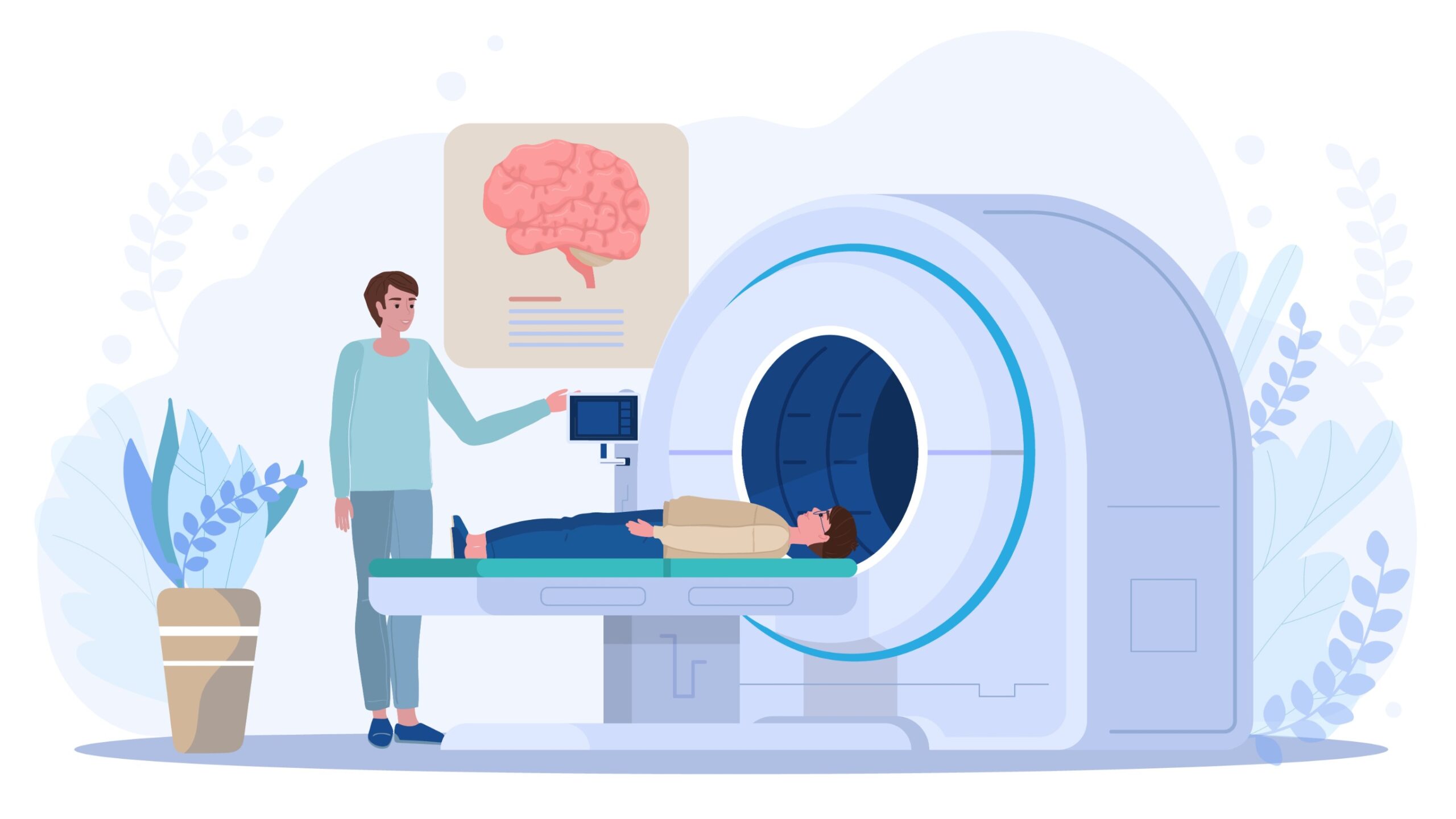
Neurological imaging evaluates the brain’s anatomy and function to identify changes associated with Parkinson’s disease and related disorders. While there is no single “test” that confirms Parkinson’s, imaging plays an important role in ruling out other conditions and supporting clinical diagnosis.
Common imaging options include:
- MRI (Magnetic Resonance Imaging): Evaluates brain structure, rules out stroke, tumors, or multiple sclerosis.
- PET (Positron Emission Tomography) Scans: Measures brain metabolism and dopamine activity, often affected in Parkinson’s.
- DaTscan (SPECT imaging): Evaluates dopamine transporter activity in the brain, distinguishing Parkinson’s from other movement disorders.
- Functional MRI (fMRI): Research-based tool that tracks changes in brain activity during specific tasks.
- CT Scans: Less commonly used but may rule out structural abnormalities.
By combining structural and functional imaging, physicians gain a clearer picture of what’s happening in the brain.
Why Specialization Matters in Parkinson’s Imaging
Neurological imaging requires advanced expertise, especially when it comes to movement disorders. At PET CT and MRI of Miami, we bring together technology and experience to provide the highest level of care.
1. Advanced Brain Imaging Technology
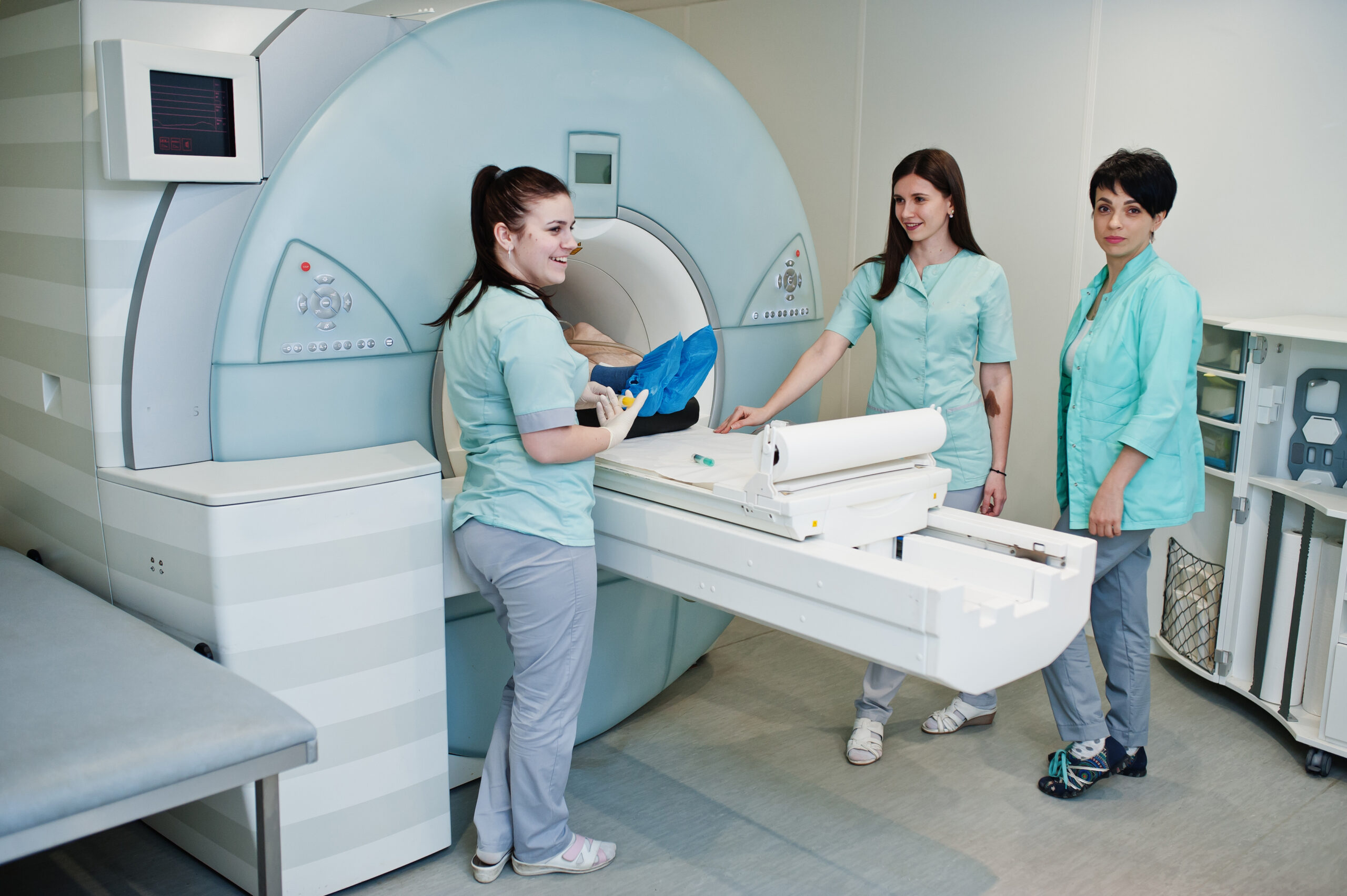
Our MRI scanners are equipped with specialized sequences that enhance visualization of deep brain structures like the substantia nigra, often affected in Parkinson’s disease. Our PET and SPECT imaging options provide functional insights, showing changes in dopamine metabolism that can confirm diagnosis.
2. Expert Neuroradiologists
Our board-certified radiologists are trained in neurological imaging and have extensive experience interpreting scans for movement disorders. They know how to distinguish Parkinson’s disease from other conditions such as essential tremor, multiple system atrophy, or progressive supranuclear palsy.
3. Patient-Centered Care
We understand that undergoing testing for Parkinson’s can be stressful. Our team provides clear explanations, compassionate support, and a comfortable environment to ensure patients feel at ease throughout the imaging process.
4. Integration With Neurology Specialists
We work closely with neurologists and movement disorder specialists across South Florida. Imaging results are shared quickly and efficiently, helping physicians confirm diagnoses, monitor disease progression, and guide treatment strategies.
5. Low Radiation, High Safety Standards
For PET and SPECT imaging, we use the lowest possible tracer doses while maintaining accuracy. MRI scans are radiation-free, making them a safe and effective tool for repeated follow-ups if needed.
Common Reasons for Parkinson’s Imaging
Doctors may recommend imaging studies for Parkinson’s disease in cases such as:
- Uncertain diagnosis: To distinguish Parkinson’s from other tremor or movement disorders.
- Early symptoms: Tremors, stiffness, or slowed movement that need clarification.
- Treatment planning: Imaging helps guide decisions about medications or surgical options like deep brain stimulation.
- Monitoring disease progression: PET or MRI scans may track changes over time.
- Ruling out other causes: Stroke, tumor, or structural brain abnormalities.
In each case, imaging adds a layer of precision to the diagnostic process.
Personalized Imaging Protocols
Every patient’s situation is unique. That’s why we customize protocols based on:
- Age and medical history
- Symptom onset and severity
- Clinical suspicion of Parkinson’s vs. another disorder
- Referring physician’s specific questions
For example, a younger patient with early tremors may undergo a PET scan to assess dopamine activity, while an older patient with more complex symptoms may benefit from both MRI and SPECT imaging.
What Radiologists Look for in Parkinson’s Imaging
When evaluating scans for suspected Parkinson’s disease, our radiologists assess:
- Brain structure: MRI rules out tumors, strokes, or structural causes of symptoms.
- Dopamine activity: PET and SPECT reveal reduced dopamine transport or metabolism, a hallmark of Parkinson’s.
- Progression: Imaging over time helps monitor changes in brain function.
- Differentiation: Certain imaging patterns help distinguish Parkinson’s from atypical parkinsonian syndromes.
These insights support neurologists in making confident, evidence-based decisions.
Collaboration With Neurologists and Movement Specialists
We believe in a team approach. That’s why we partner with neurologists, movement disorder experts, and rehabilitation specialists throughout South Florida. Our radiologists provide detailed reports and are available for direct consultation, ensuring imaging findings are fully integrated into patient care.
Safety Is Our Top Priority
Whether it’s MRI, PET, or SPECT, we take every precaution to keep patients safe:
- MRI: No radiation exposure, safe for repeated use.
- PET/SPECT: Minimal radiation exposure using the lowest tracer doses possible.
- Strict protocols: We follow national safety standards and continuously update our practices.
- Patient monitoring: Our staff ensures comfort and safety during every procedure.
Why Patients Trust Us
Patients and families throughout South Florida choose PET CT and MRI of Miami for Parkinson’s imaging because:
- We specialize in neurological and movement disorder imaging
- Our technology is state-of-the-art
- Our radiologists are experts in brain imaging
- We collaborate with top neurologists in the region
- We deliver fast, accurate results
- We provide compassionate, supportive care every step of the way
Conclusion
Parkinson’s disease is a life-changing diagnosis, but with the right imaging tools, patients and doctors can gain clarity, confidence, and a plan for the future. From MRI to PET and SPECT scans, advanced imaging provides critical insights into both brain structure and function.
At PET CT and MRI of Miami, we combine leading technology with expert interpretation and patient-centered care. If you or a loved one are experiencing symptoms of Parkinson’s, trust a center where neurological imaging is a priority.???? PET CT and MRI of Miami
???? (305) 229-2020
???? Learn more or schedule your brain imaging at petctofmiami.com